Botanical Identity & Lineage
Europe's Rarest Native Palm Species
Unlike the widely planted agricultural date palm (Phoenix dactylifera), which was domesticated across the Fertile Crescent for sugary, succulent fruit, Phoenix theophrasti is a wild, resilient Mediterranean species. Described botanically by Werner Greuter in 1967 and named in honor of the ancient Greek father of botany, Theophrastus of Eresos (c. 371–287 BC).
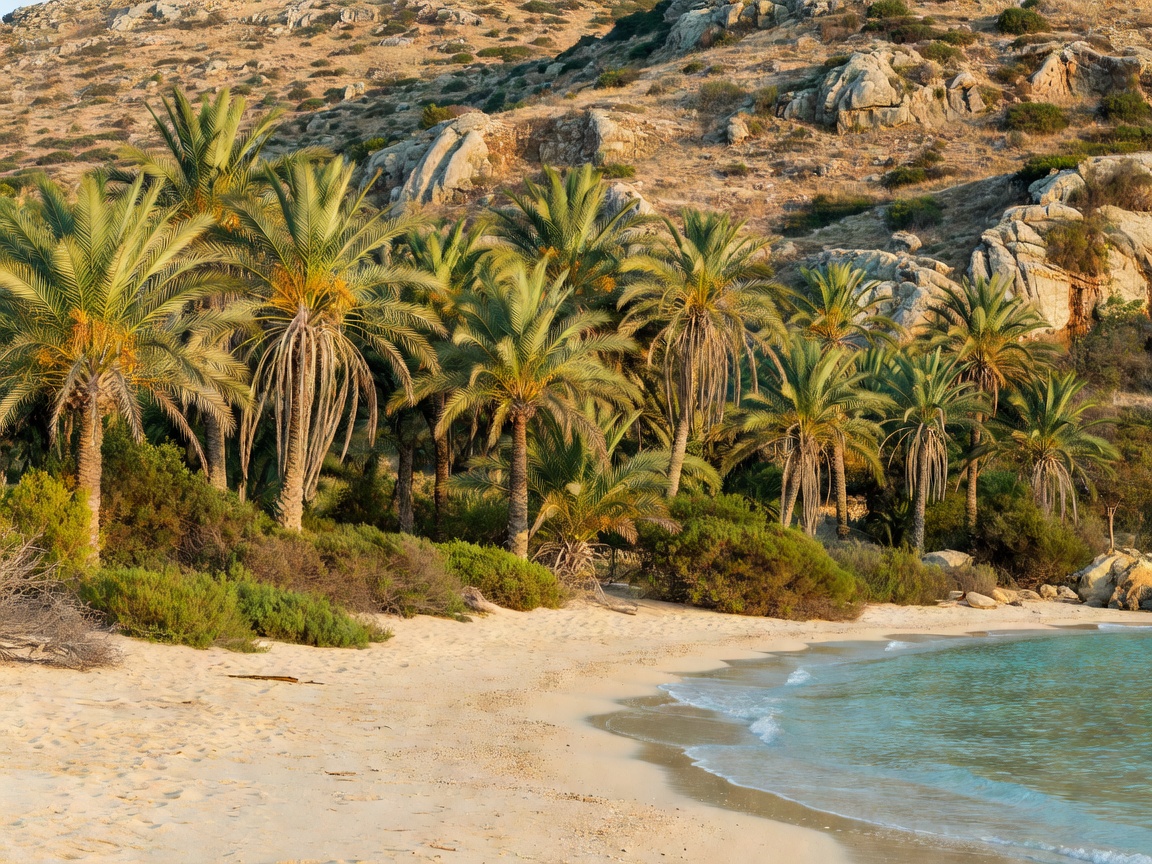
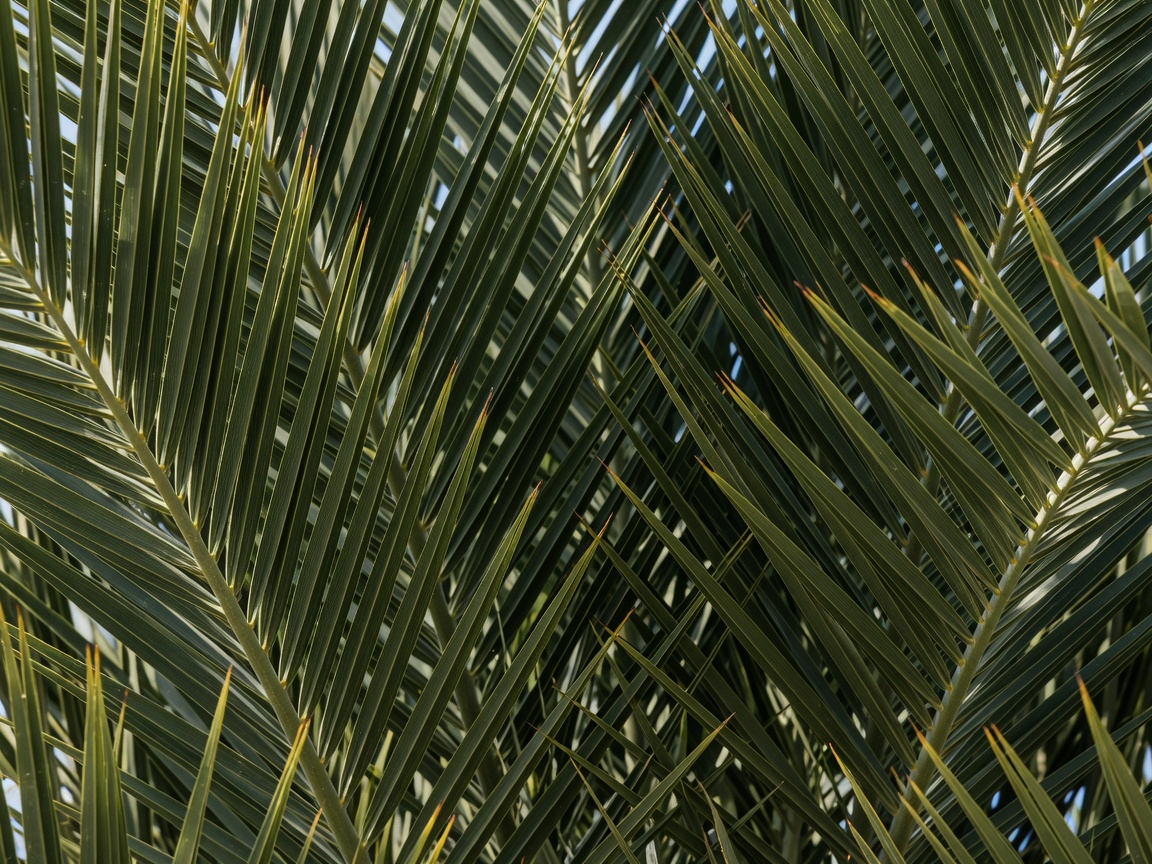
The species produces slender, suckering multi-stemmed trunks that reach up to 12–15 meters in height. Its rigid, sharp-tipped silver-green fronds point straight upward into the intense Aegean sky, creating a crown capable of withstanding torrential coastal winter winds and parched Mediterranean summers.
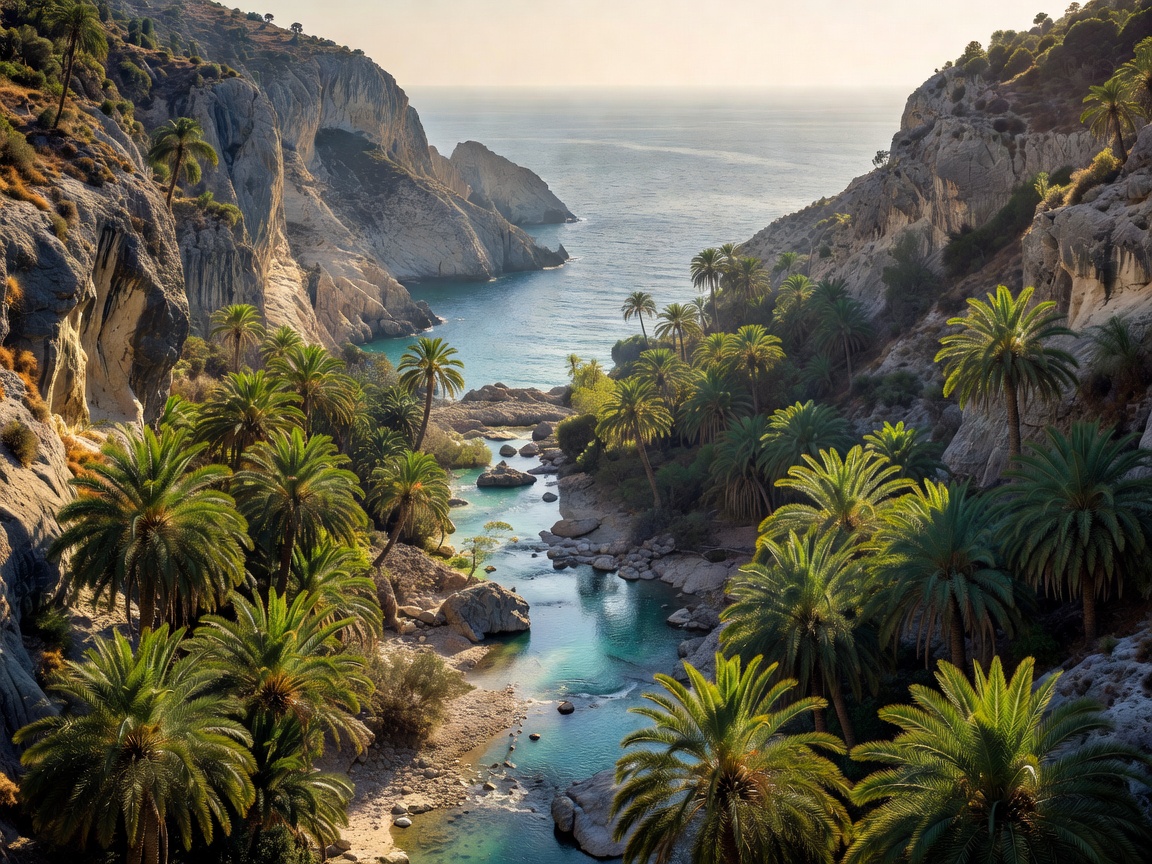
"In Crete, palms grow wild in riverbeds and ravines near the coast, clustering together in deep groves..."
Theophrastus, Historia Plantarum (c. 300 BC)
While its inedible fruits are astringent, fibrous, and small, the ecological role of the Cretan Date Palm as a keystone canopy species for birds, insects, and rare wetland flora is irreplaceable.
 Morphology